Oxygen Lab Metrics
Each species in our collection is measured for air-purification capacity. We track carbon unit filtration rates in standardized 20-square-meter environments, providing transparent data on atmospheric improvement potential.
Scientific selection of low-maintenance greenery optimized for Northern light conditions. Discover plants that thrive with minimal intervention in challenging light environments.
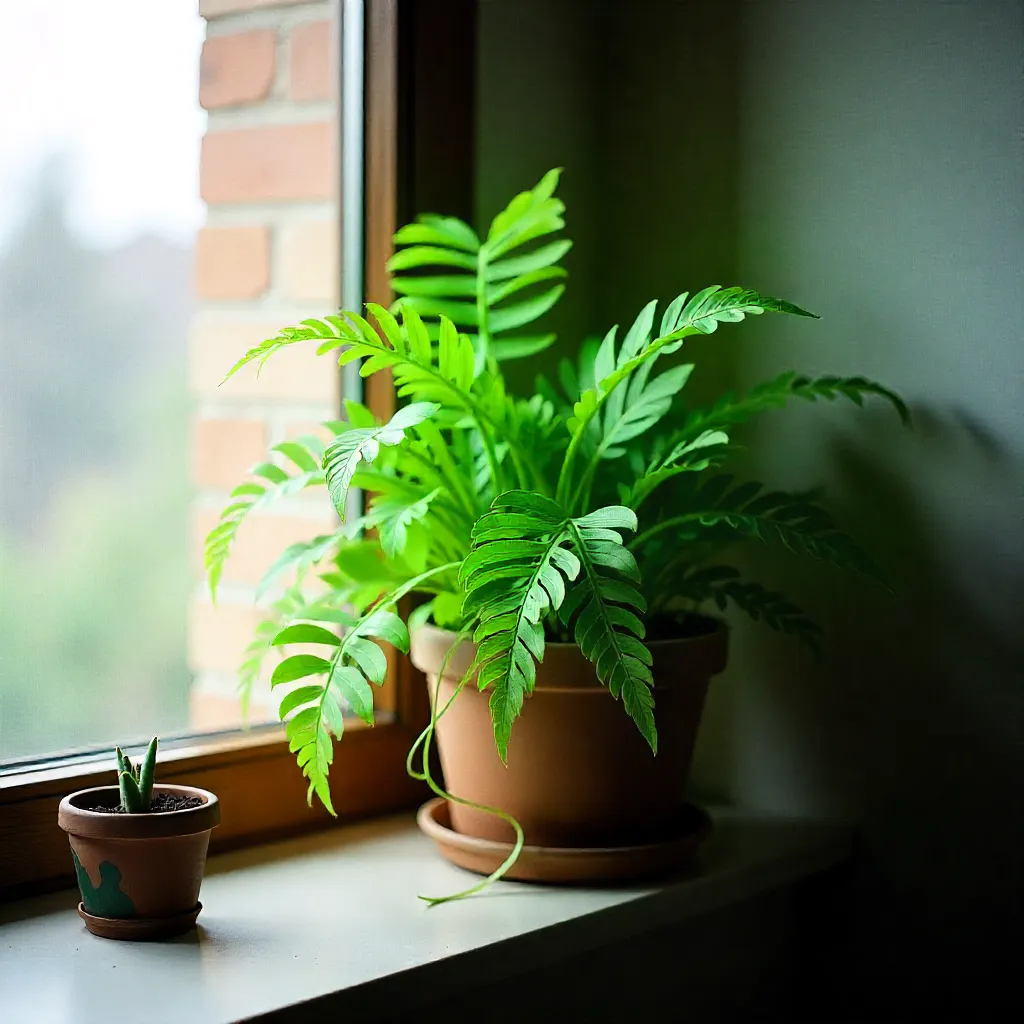
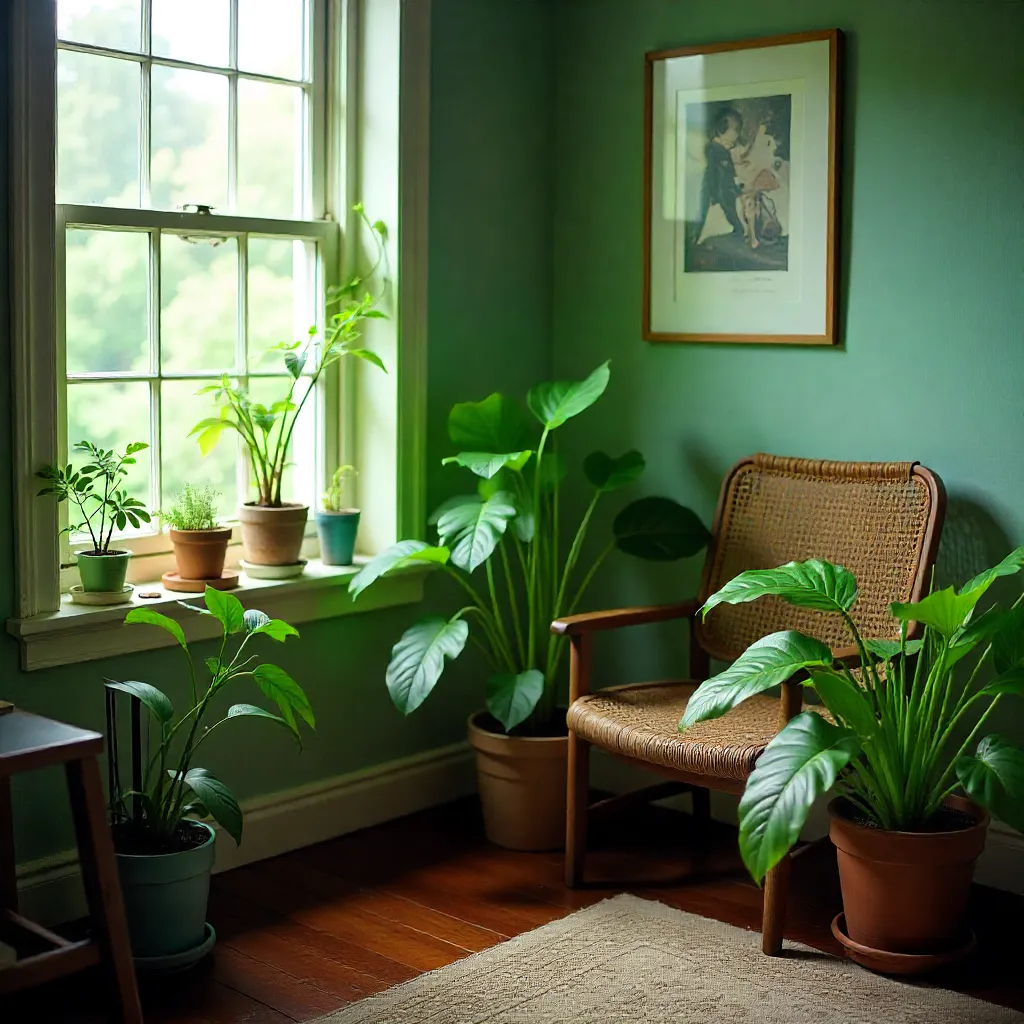
Our database categorizes plants by photon tolerance rather than generic light requirements. Each species is tested under controlled conditions simulating Northern latitude environments with limited daylight hours.
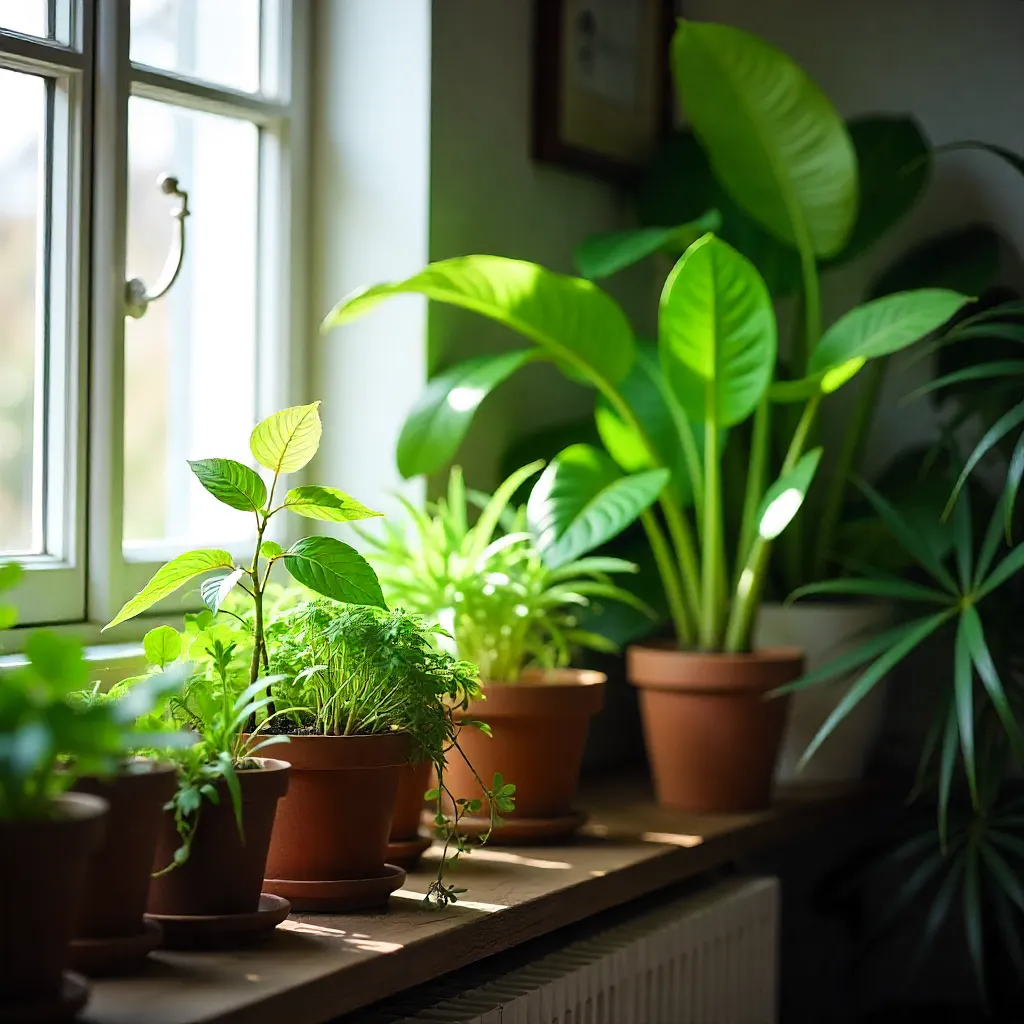
Plants are evaluated across different seasonal light patterns, from extended summer days to the compressed winter photoperiod. This ensures year-round viability in Northern climates.
Selection criteria include compatibility with standard indoor lighting systems and the ability to maintain metabolic functions under artificial light supplementation when natural light is insufficient.
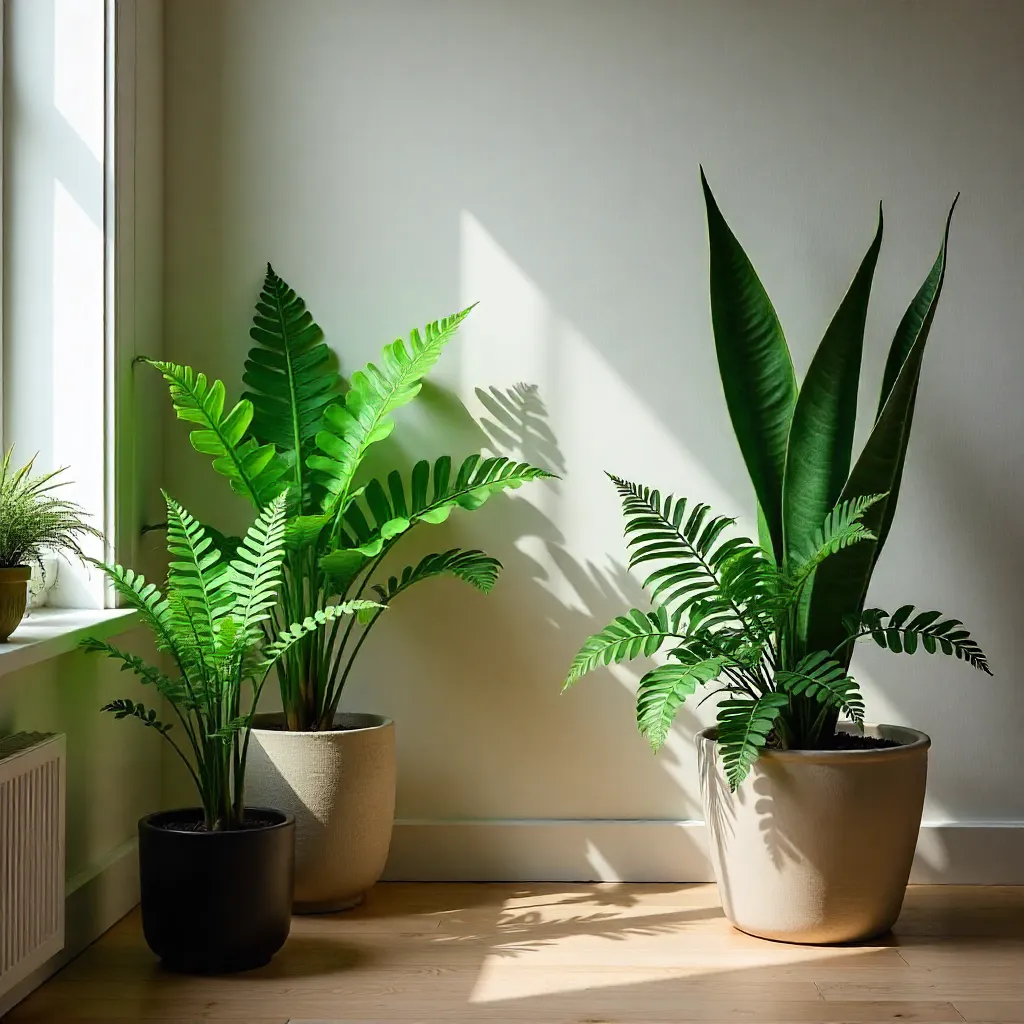
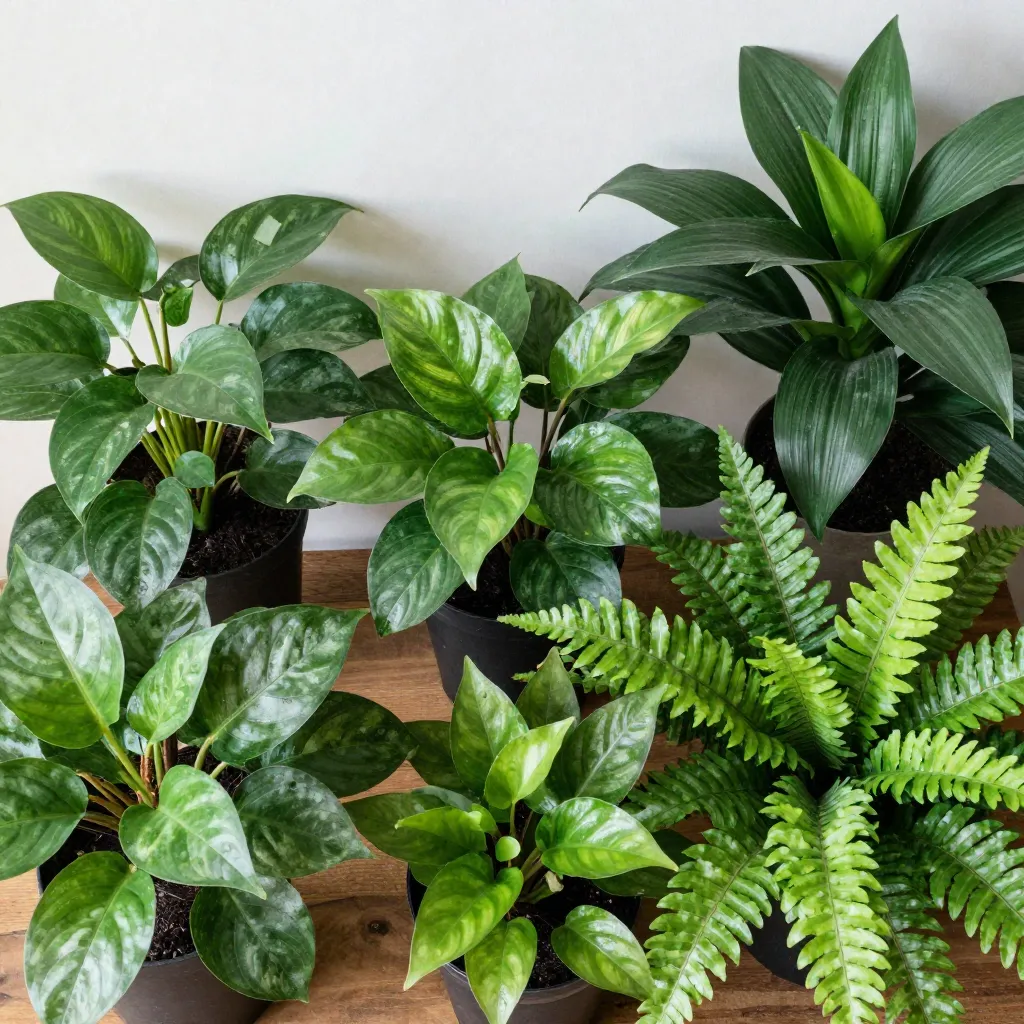
Our minimal intervention system trains plants to survive on extended 21-day watering cycles. This approach reduces maintenance while promoting root system resilience and water-use efficiency.
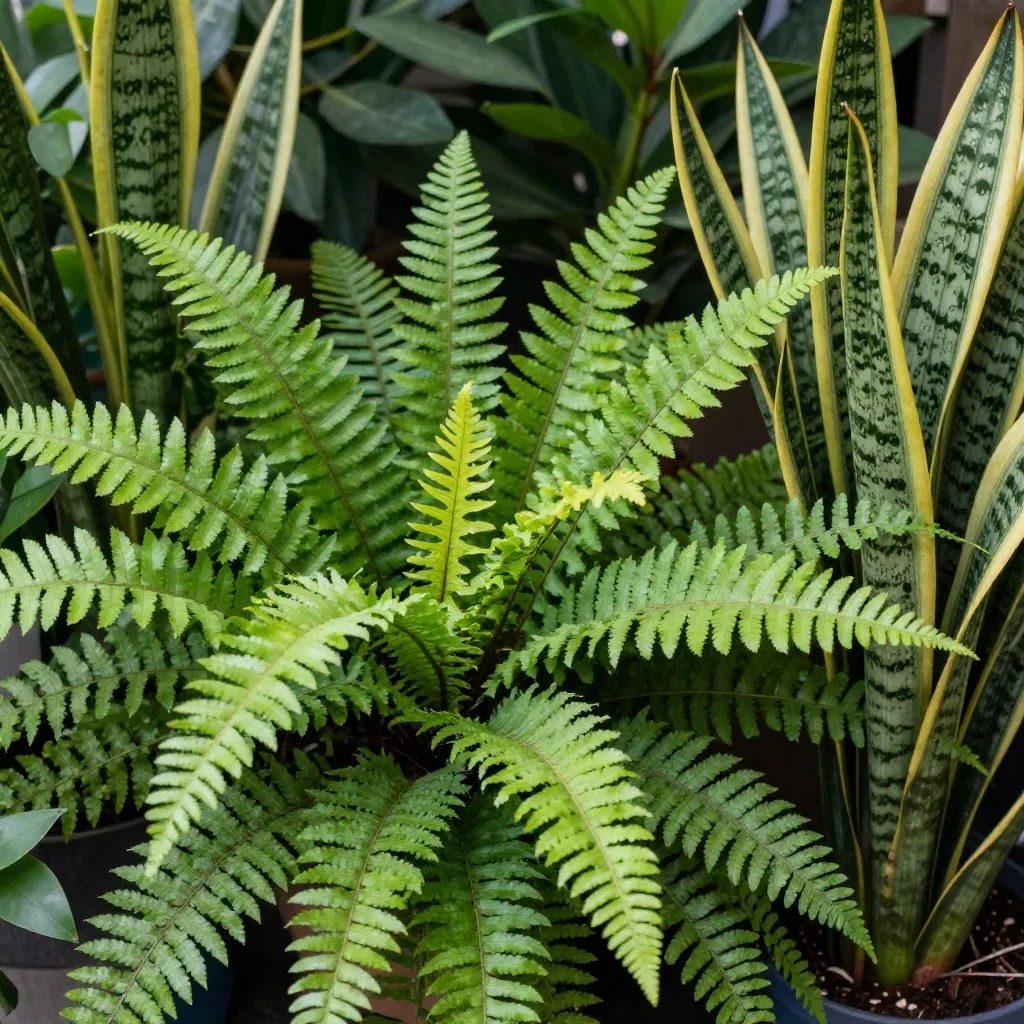
Selected species can be maintained using semi-hydroponic setups with recycled clay pebbles. This method provides consistent moisture levels while eliminating traditional soil maintenance requirements.
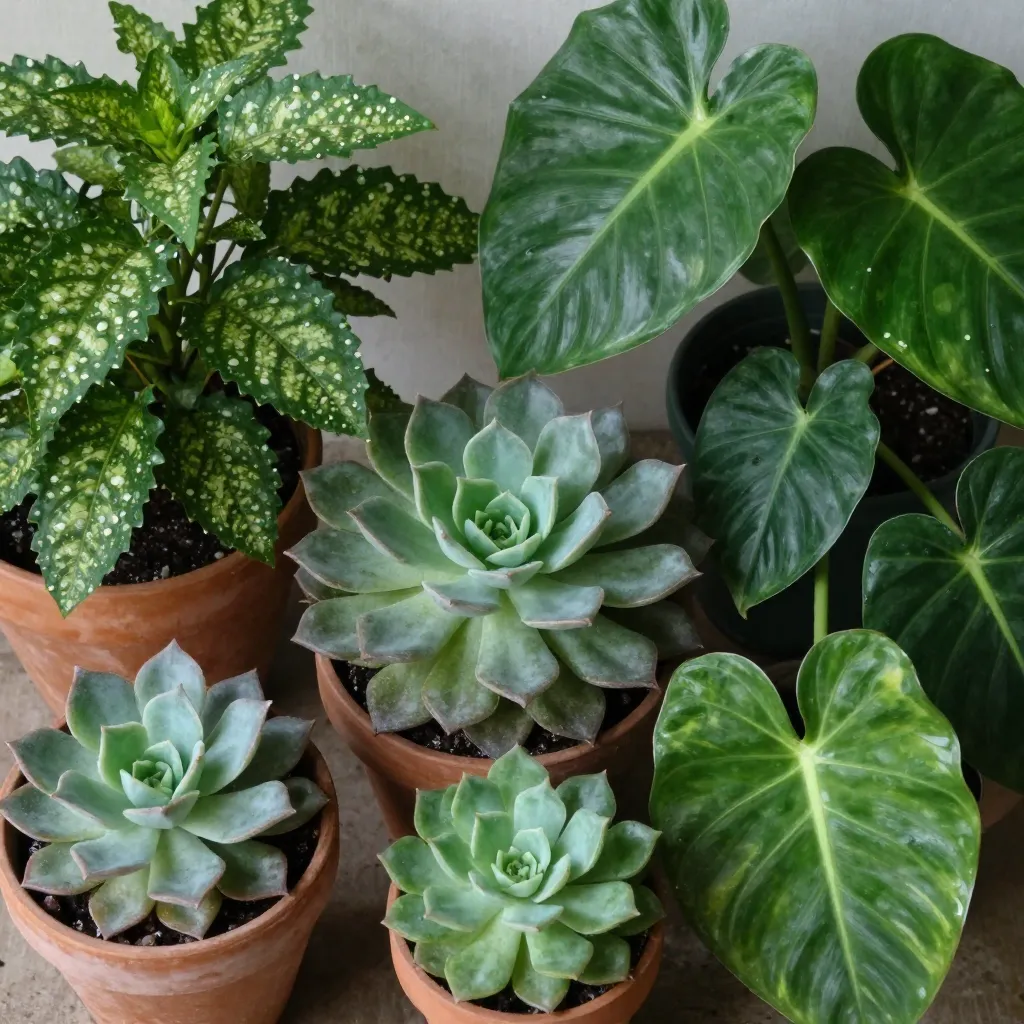
Our care protocols include precise nutrient scheduling designed for low-input systems. Plants receive essential elements in measured intervals, supporting growth without excessive fertilization.
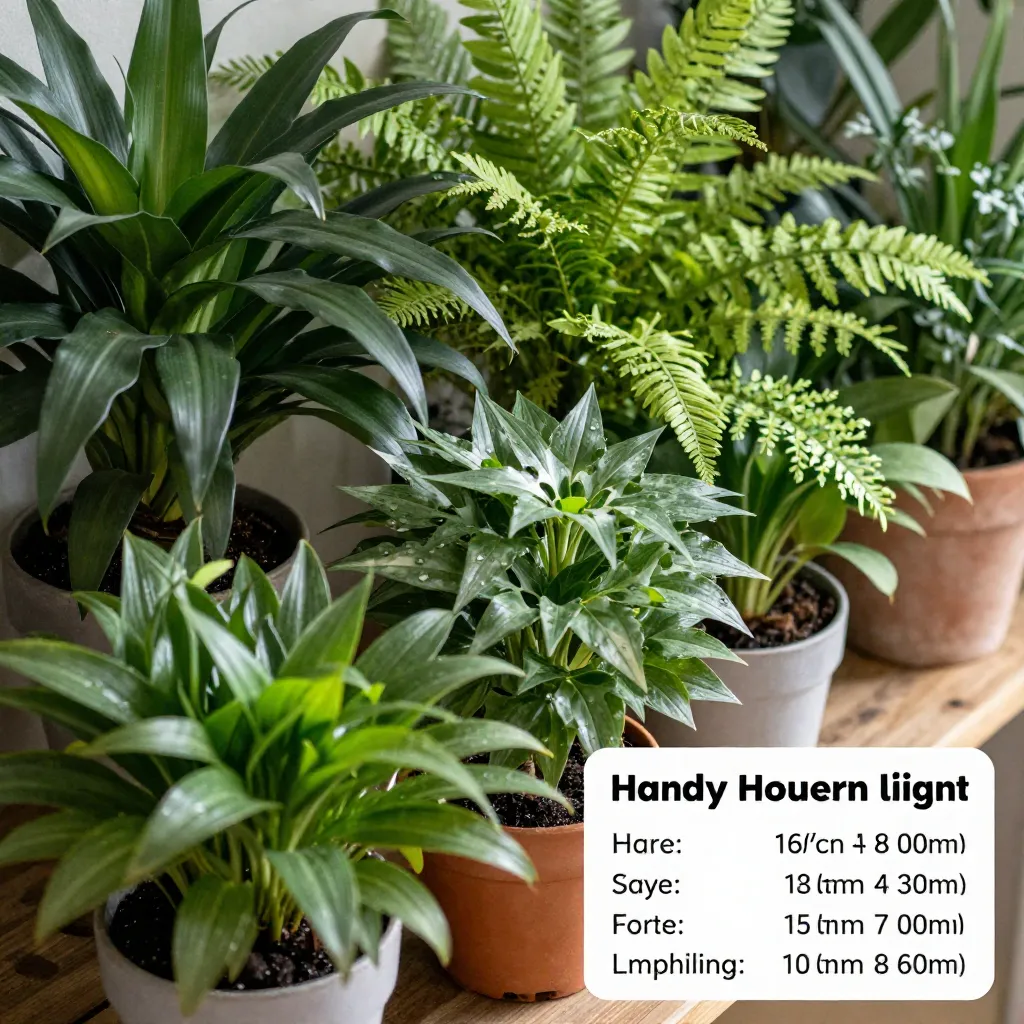
Our selection process combines botanical research with practical testing in controlled environments. Each plant undergoes evaluation across multiple parameters including light tolerance, water requirements, growth rate, and maintenance complexity.
Selected species contribute to improved indoor air quality through natural filtration processes. Data on carbon dioxide absorption and oxygen production rates are available for each plant in our collection.
Low-maintenance requirements translate to reduced water consumption and minimal fertilizer needs. This approach supports sustainable indoor gardening practices with lower environmental impact.
Plants selected for Northern light conditions demonstrate resilience and longevity. Many species in our collection can thrive for years with appropriate care protocols, providing lasting value.